
Online coaching or in person
Remote coaching is cheaper and works well for some people and badly for others. Which is which, and the one thing it genuinely cannot do.
Online coaching usually costs a fraction of in-person and buys a different thing: a plan and accountability, rather than somebody in the room.
It works well if
- You already move competently and know what the exercises are.
- You are self-directed enough to train alone on a Wednesday with nobody watching.
- You have access to the equipment the plan assumes.
- Your main gap is programming rather than technique.
It works badly if
- You are new and learning movements from a video.
- You are working around an injury, where the value is somebody watching you move that day.
- You need somebody expecting you or the session will not happen.
- You would not send a video of yourself lifting, which is what the feedback loop depends on.
The thing it cannot do
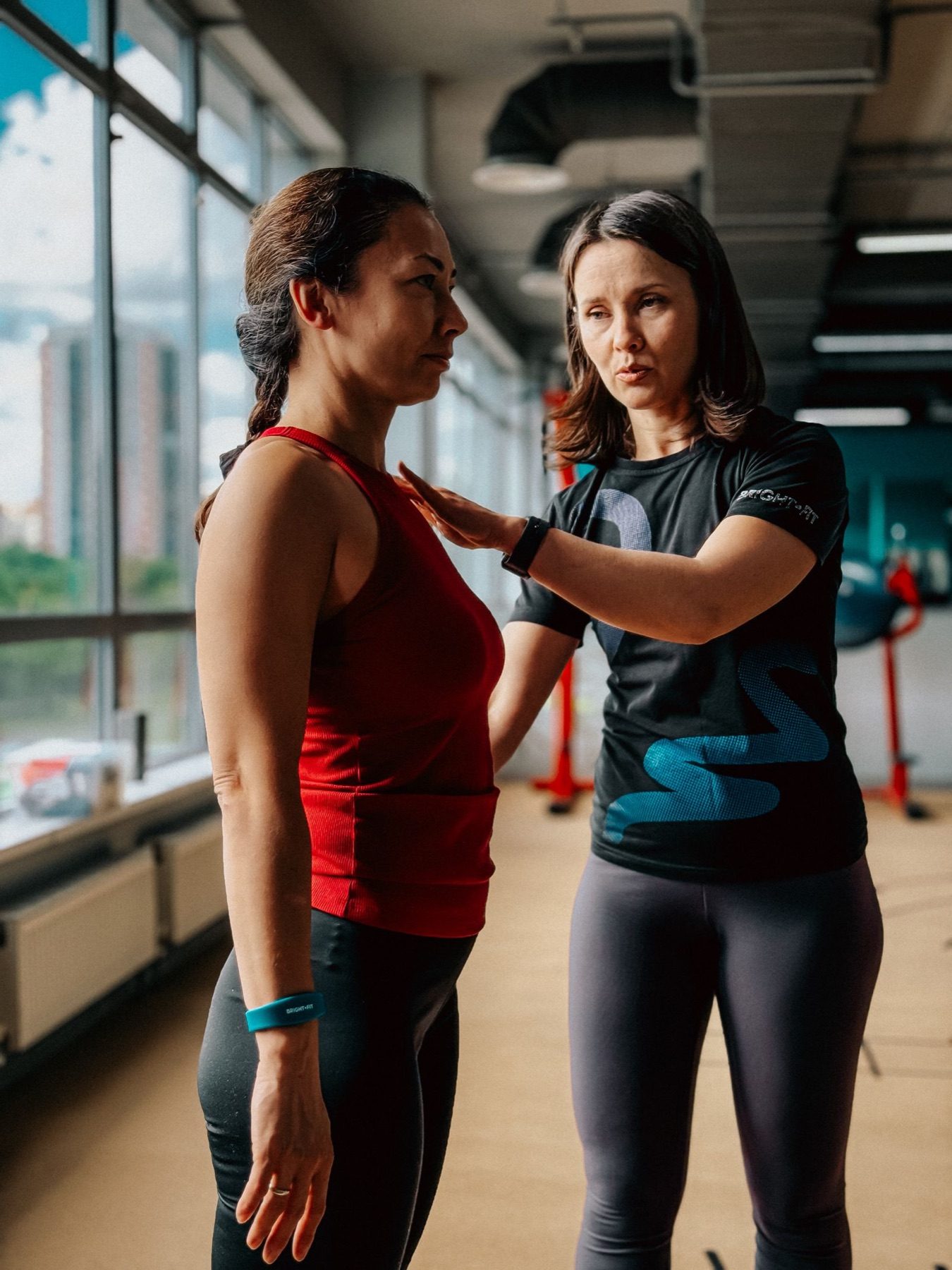
See what is actually happening. A video shows one angle, chosen by you, of a rep you knew was being filmed. A coach in the room sees the set you were not thinking about, the compensation on rep eight, and the flinch you did not mention. That gap is the whole price difference.
The hybrid most people should consider
A handful of in-person sessions to learn the movements and get assessed, then online for programming, with an occasional in-person check. It costs less than full in-person and removes most of what makes remote coaching risky for a beginner.
What to check before buying online
Whether a real person writes the plan or a template does. How quickly they respond. Whether they ever look at video. And whether the plan changes when you tell them something is not working, which is the difference between coaching and a spreadsheet.
Where this does not apply
If you are managing a diagnosed condition or rehabilitating an injury, remote-only is the wrong starting point regardless of budget. The first assessment belongs in a room with somebody watching.
What the price difference is actually buying
In-person buys attention in real time, which is worth most when technique is the limiting factor and worth least when it is not. Online buys structure, which is worth most when you know what to do and are not doing it consistently.
Deciding which of those describes you is the whole decision, and it is worth being honest about, since almost everybody would prefer to believe the answer is the cheaper one.
The equipment question people forget
An online plan assumes a gym, and not every plan says which one. Before paying, send the coach a list of what you actually have access to, including the machines that are always busy at the time you train. A program written for equipment you cannot reach becomes a program you improvise, which is the same as not having one.
What good remote feedback looks like
A named person replying within a day or two, referring to something specific in your video or your logged numbers rather than to the plan in general. If the replies could have been written without reading what you sent, they were.
Common questions
Is online coaching worth it?
For somebody who already moves competently and needs programming and accountability, often yes. For a beginner learning technique, usually not.
What is the cheapest option that still works?
A few in-person sessions to learn the movements, then online programming with occasional check-ins.
What should I ask an online coach?
Whether a person writes the plan, how fast they reply, whether they review video, and what happens when something is not working.
Come and see for yourself
A conversation costs nothing and answers more than any page.